
Our Approach
First understand. Then decide.
At ICICM, we believe that meaningful medical decisions begin with understanding the individual patient.
Medical histories, clinical findings, previous treatments and biological characteristics can differ considerably from one person to another. For this reason, we do not begin with a predefined treatment pathway.
We begin with the patient.
- a.
First contact and medical assessment
The process starts with an initial medical evaluation.
Our medical team reviews the patient's history, current health situation, previous diagnostic findings and available medical documentation.
This first step helps determine which questions require further evaluation and whether additional diagnostics may be appropriate.
- b.
Diagnostics where they add value
Not every patient requires the same examinations.
Depending on the individual medical situation, laboratory diagnostics, functional assessment or more specialized diagnostic methods may be considered.
Where appropriate, molecular and biological information can complement conventional clinical findings and contribute to a more detailed understanding of the patient's individual profile.
Diagnostics are selected according to medical relevance — not according to a fixed package.
- c.
Medical and interdisciplinary evaluation
Information only becomes useful when it is interpreted in context.
Clinical findings, diagnostic results, previous treatments and the patient's individual circumstances are reviewed together by the medical team.
Where appropriate, different medical disciplines and external specialists may contribute to the evaluation.
The purpose is to create a coherent medical picture before therapeutic options are considered.
- d.
An individualized medical strategy
Based on the available information, the medical team discusses which diagnostic or therapeutic options may be appropriate for the individual patient.
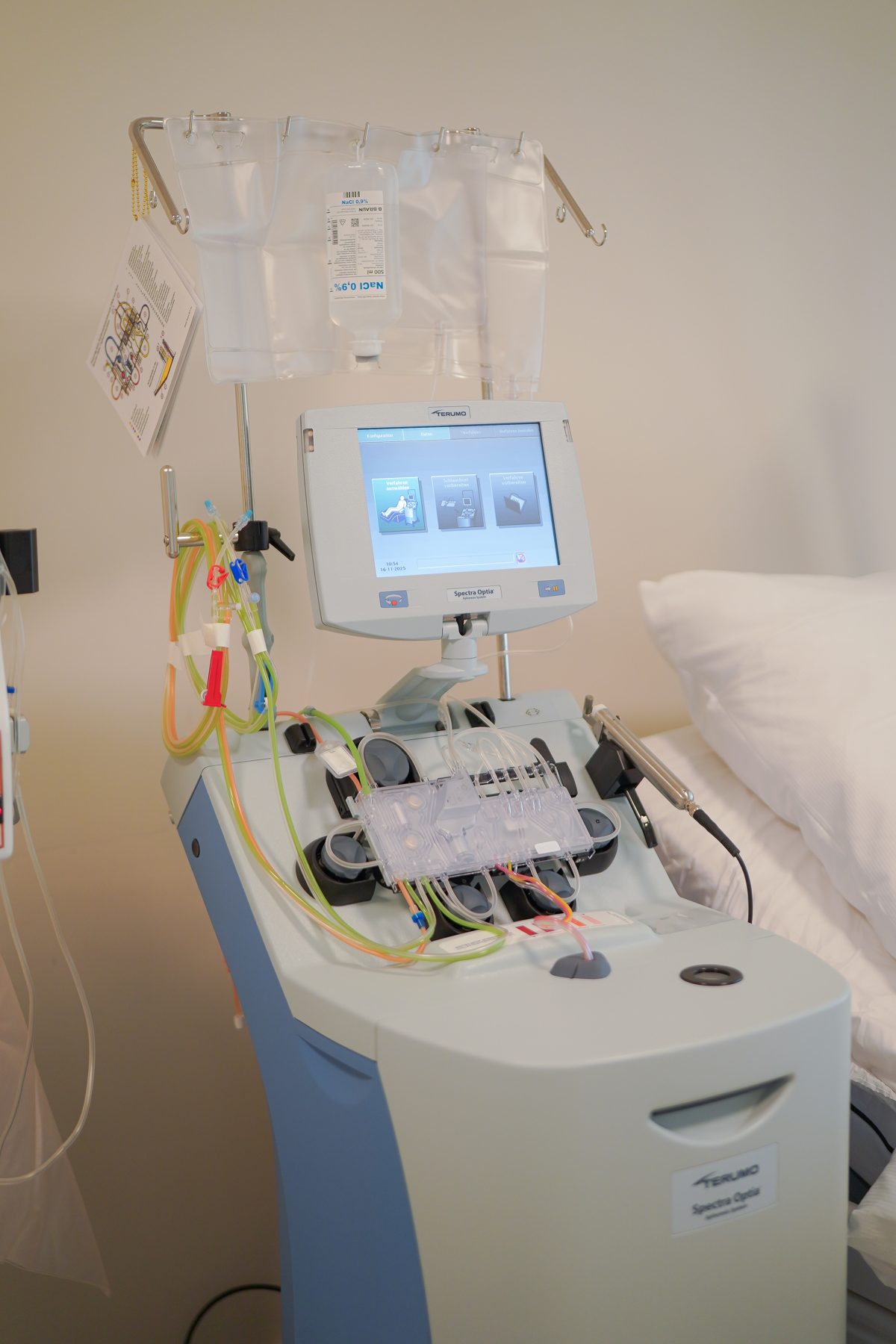
This may include therapeutic apheresis, extracorporeal procedures or selected integrative, biological and cellular approaches, depending on the medical situation and individual assessment.
Not every procedure is appropriate for every patient.
In some cases, the medical evaluation may also lead to the conclusion that a particular treatment should not be performed or that another medical approach should be considered first.
- e.
A transparent medical process
We consider it important that patients understand why an examination or treatment is being considered.
Our aim is therefore to communicate the medical reasoning, available options and relevant limitations as clearly as possible.
The pathway
- 01First contact
- 02Medical assessment
- 03Diagnostics where appropriate
- 04Individual evaluation
- 05Medical strategy
First understand. Then decide.
Because individualized medicine is not about doing more.
It is about understanding what is medically appropriate for the individual patient.