
Therapeutic Apheresis & Extracorporeal Procedures
Autologous Small Extracellular Vesicles (sEVs) (Exosomes)
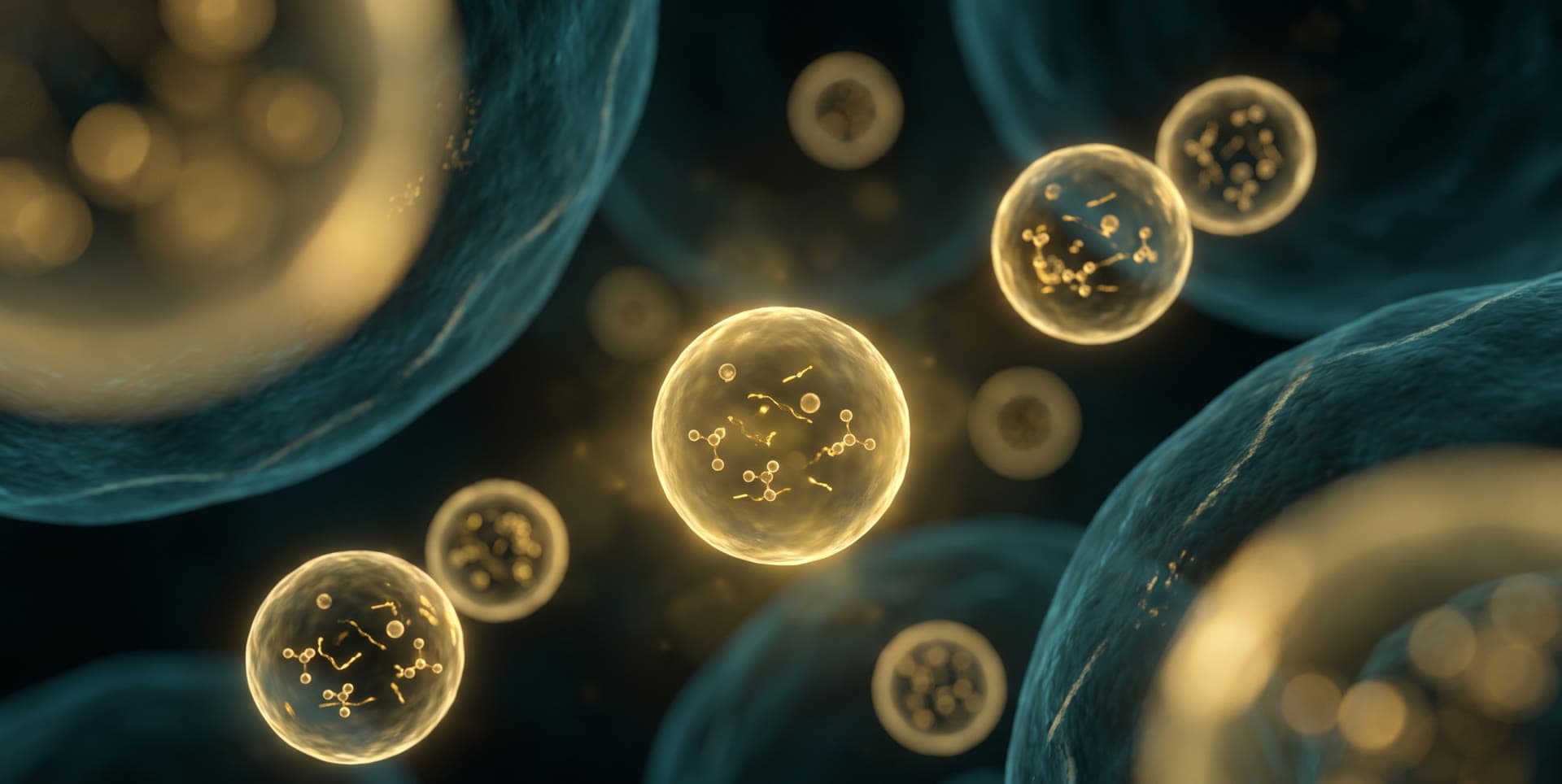
Extracellular vesicles are membrane-delimited particles released by cells and involved in intercellular communication.
Overview
Extracellular vesicles are membrane-delimited particles released by cells and involved in intercellular communication.
ICICM uses the term small extracellular vesicles (sEVs) where scientifically appropriate. The term “exosomes” is widely used but does not necessarily describe all small extracellular vesicles.
The program focuses on the collection, processing, and evaluation of extracellular vesicle-rich fractions obtained from autologous blood through specialized apheresis technologies.
Extracellular vesicles, including exosomes, are increasingly recognized as important mediators of cellular communication. They participate in the exchange of biological information between cells and contribute to numerous physiological regulatory processes throughout the body.
sEV-Program was designed to provide access to these naturally occurring biological communication systems as part of individualized regenerative medicine concepts.
This communication occurs through multiple biological mechanisms, including:
- Signaling molecules
- Growth factors
- Cytokines
- Hormonal pathways
- Extracellular vesicles
Small Extracellular vesicles serve as biological messengers that may transport proteins, lipids, messenger RNA, microRNA, and other molecular components involved in cellular signaling.
Modern regenerative medicine increasingly investigates the role of these communication systems in maintaining biological balance, adaptation, recovery, and healthy aging.
sEV utilizes advanced apheresis and plasma-processing technologies to obtain extracellular vesicle-rich fractions derived from the patient's own biological material.
The program is designed to support personalized regenerative medicine strategies by focusing on the biological communication pathways that contribute to cellular function and tissue homeostasis.
Areas of Interest
- Regenerative Medicine
- Cellular Communication Support
- Biological Recovery Programs
- Healthy Aging Strategies
- Precision Medicine Concepts
- Personalized Regenerative Healthcare
- Longevity Medicine
Extracellular vesicle biology and potential clinical applications remain areas of active biomedical research.
For this reason, any sEV-based procedure requires individual medical assessment and appropriate consideration of the biological material, procedure and intended context.
No specific therapeutic effect or clinical outcome is implied or guaranteed.
Gallery
Further procedures
Medical assessment before procedure
The availability of a procedure does not mean that it is appropriate for every patient. Before any procedure is considered, the patient's medical history, current clinical situation, available diagnostic information and relevant medical factors are evaluated.
No diagnostic or therapeutic procedure can guarantee a specific clinical outcome.